
Movement Therapeutics
Functional Mobility RehabilitationMovement Therapeutics: Functional Mobility Rehabilitation
The Movement Therapeutics training is a compact, practical program designed for practitioners who want to deepen their hands-on teaching and therapeutic skills. It unfolds over three focused modules and totaling 50 hours of coursework, including in-depth exploration of applied yoga foundations, assessment, and treatment strategies. You’ll learn how to tailor sequences for neck and spine therapies, integrate movement education, and apply evidence-informed principles to support clients on their healing journeys.
This training blends theory with real-world practice, offering guided partner assessments, demonstrations, and hands-on work that you can take straight into your teaching or clinical practice. Expect a collaborative, experiential learning vibe where you build confidence in creating safe, effective yoga-based interventions for varied client needs
Course Outline
Module 1
Introduction to Applied Yoga and Functional Mobility Therapeutics
Neck and Spine Therapy
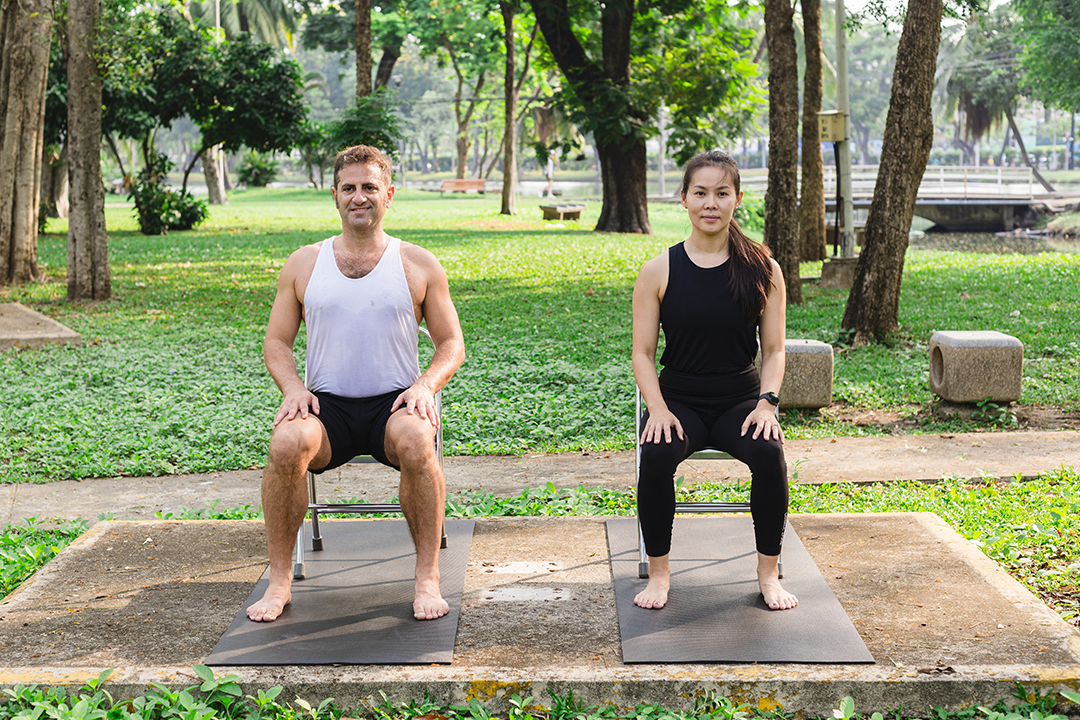
Day 1 – Applied Yoga foundations, pain science, neck assessment and treatment
- Morning lecture: 9:00–11:00: What is applied yoga; pain, movement, and injury
- Objectives
- Define “applied yoga” and distinguish it from standard yoga
- Understand proven benefits and risks; components of a pain-free body
- Role of alignment, motor control, and individuality in treatment
- Basic understanding of muscle contractions, isometrics, and stretching
- Phases of healing after injury; kinesiophobia and pain education
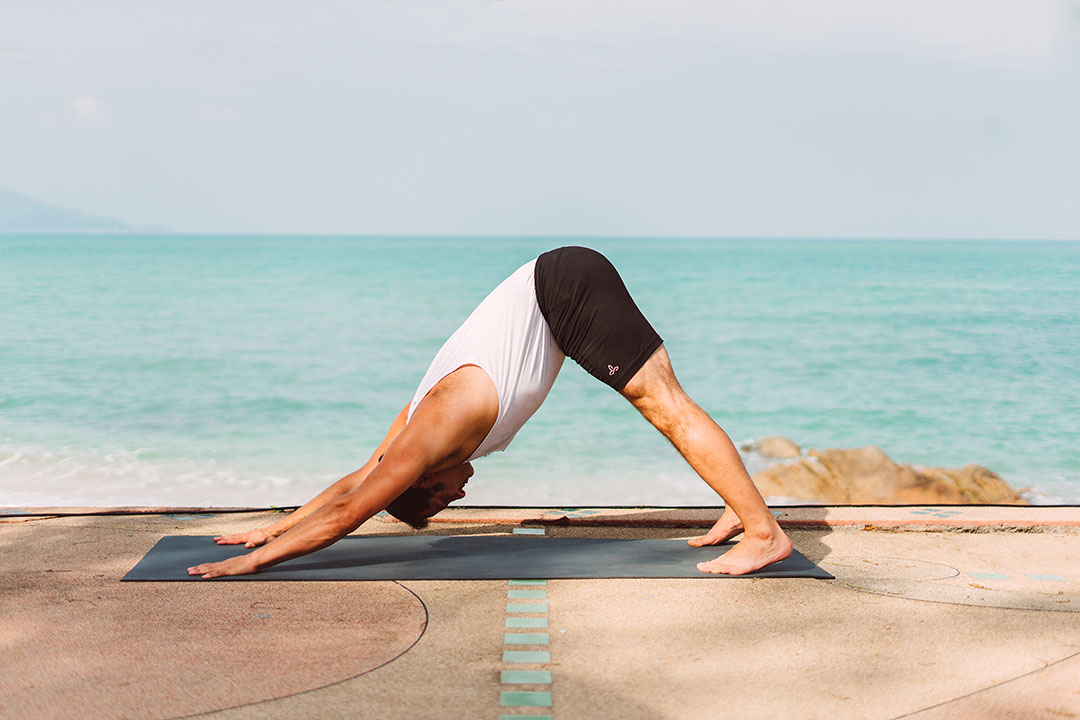
- 11:15–13:00
- Master four primary neck directions; safe correction cues
- Assessment checklist; common faults; safety red flags
- Guided partner assessments; demonstrations
- Neck: Assessment and correction of the four primary directions
- Objectives
- Content
- Activities
- Lunch: 13:00–14:00
- Afternoon session: 14:00–17:00 – Neck continuation; scapula–shoulder–neck relationship; traction and strengthening
- Deepen neck assessment; understand scapula, GH joint, thoracic spine interplay
- Understand the role of the C1-2 vertebrae on rotation and extension
- Practice traction; strengthening and range of motion protocols
- Partner practice. Relieving neck pain.
- Objectives
- Activities
Day 2 – Lower back pain, core, SI joint
- Morning: 9:00–13:00
- Anatomy of the back
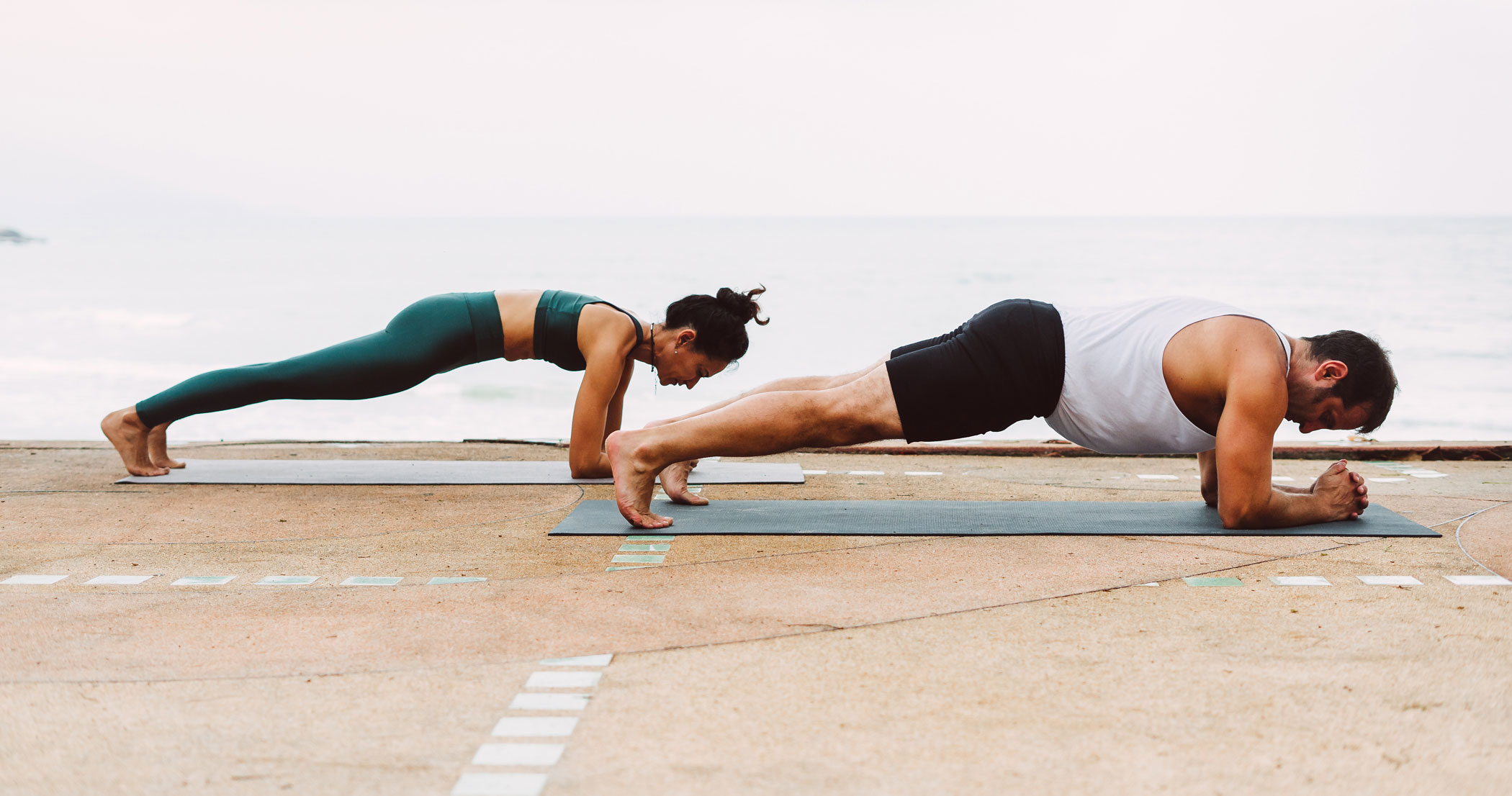
- Focus: Redefining the core; importance of creating strength
- Techniques for psoas, glutes, QL, multifidus and erector spinae
- Spinal segmentation concepts; integrated core strategies
- Lunch 13:00-14:00
- Afternoon: 14:00–17:00
- Focus: SI joint pain; review of key studies; practical implications
- Activities: literature snapshots (2–3 representative studies), practical integration, case-based planning
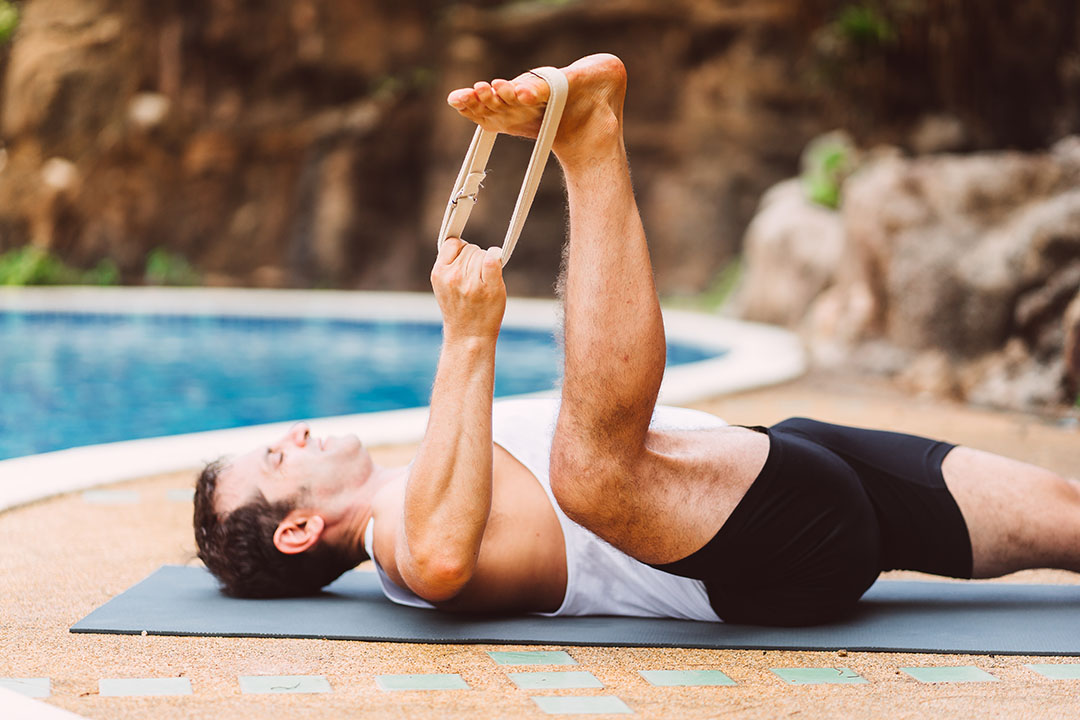
- Partner practice: Relieving back pain
Module 2
Hip & Knee
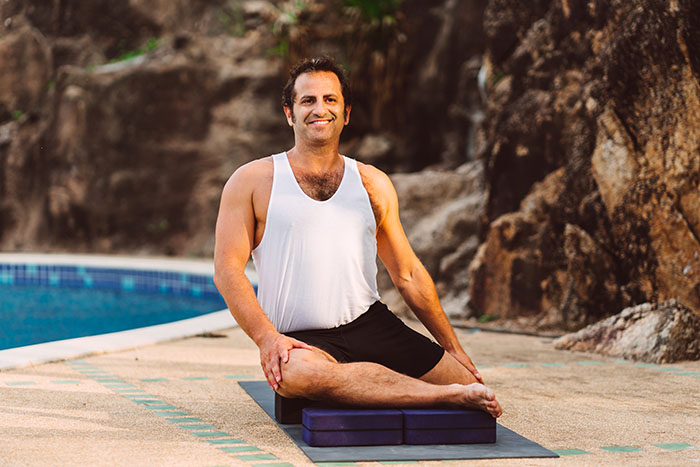
Day 3 – Hip mobility, strength, motor control, joint alignment
- Morning: 9:00–13:00
- Anatomy of the hip and common conditions
- Hip mobility assessment
- Hip strength: Abduction activations
- Psoas strength
- Hip capsule release
- Lunch: 13:00-14:00
- Afternoon: 14:00–17:00
- Focus: Articular strength, motor control training, traction techniques
- Activities: Hip mobility flows; glute activation sequences; joint alignment cueing; partner work
Day 4 – Knee biomechanics and integrated lower-limb strategy
- Morning: 9:00–13:00
- Anatomy of the knee
- Joint biomechanics
- Opening the back of the knee; freeing the popliteus
- Strengthening the vastus medialis obliquus (VMO) and quadriceps
- Creating terminal extension and flexion
- Concentric and eccentric actions for the knee
- Lunch: 13:00–14:00
- Afternoon: 14:00–17:00
- Integration session
- Practical sequencing: how knee work integrates with hip/pelvis and ankle
- Safety cues; contraindications; progression and regression plans
- Closing reflections: assessment tools, student practice
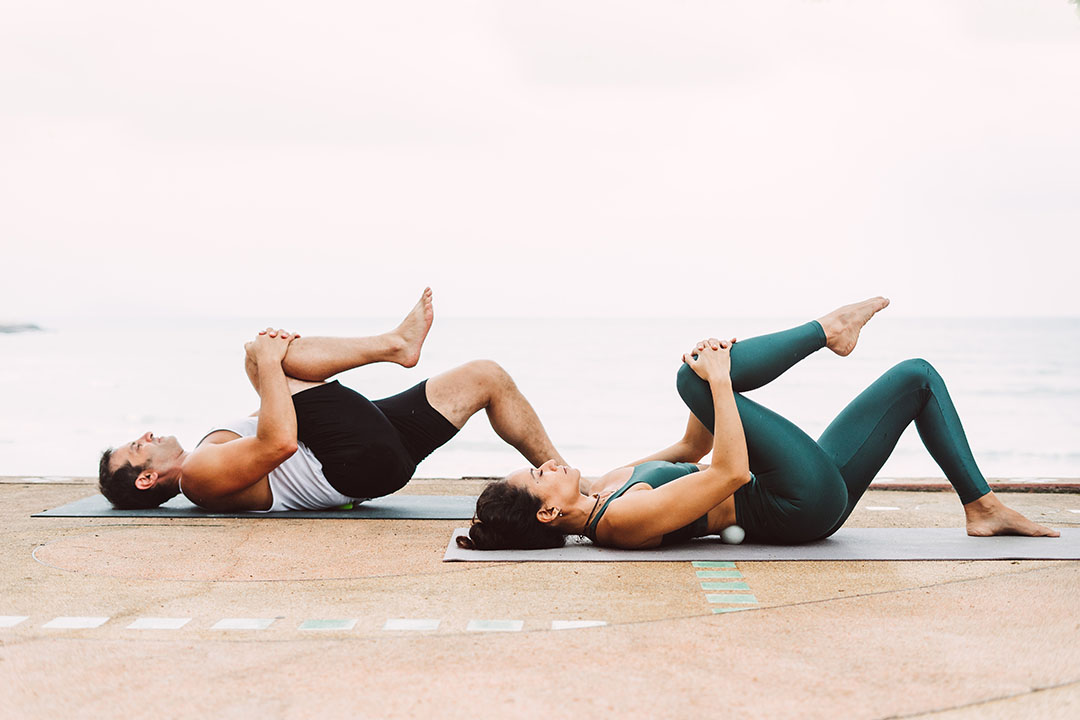

Module 3
Breathwork & Shoulder
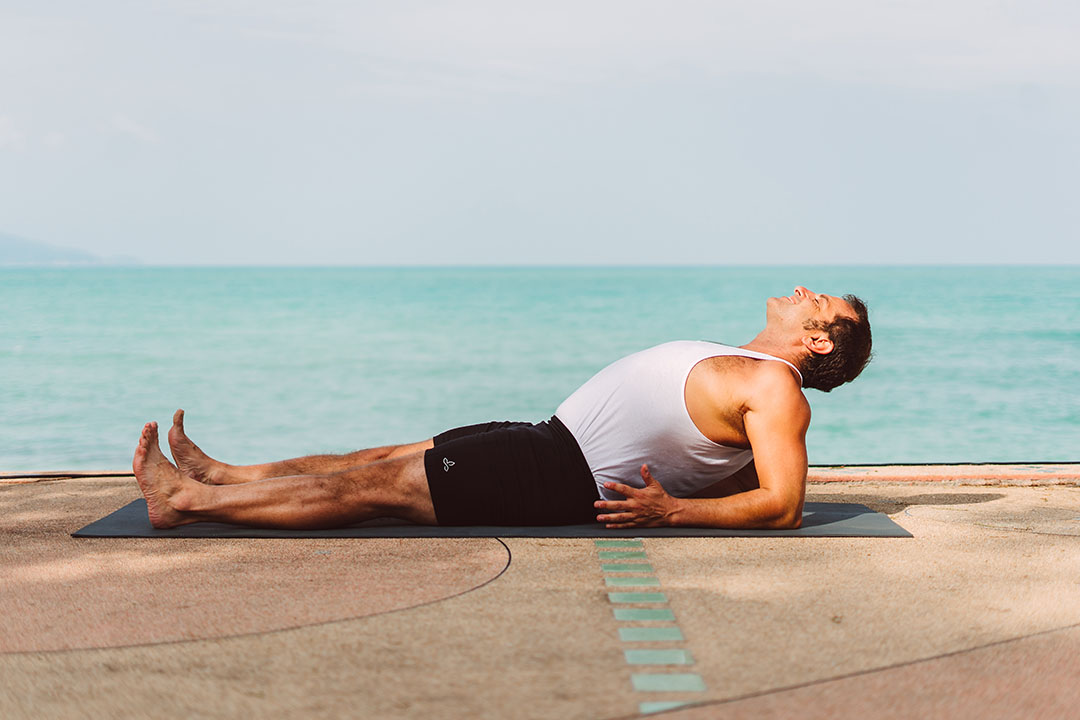
Day 5 – Yoga, mental health, breath–mind interplay;
- Morning: 9:00–12:30
- Topics: Breath and mental health; autonomic nervous system basics
- The importance of introspection and self-study
- Teachings: Buddhist perspectives (brief overview), Anapanasati and Satipaṭṭhāna concepts
- The psychosomatic experience; Understanding the relationship between the body and the mind.
- Understanding the role of the diaphragm
- Heart Rate Variability and importance of slowing down the breath
- Anapanasati practice
- Asana practice focused on the breathing into the different regions of the body
- Lunch: 12:30–14:00
- Afternoon: 14:00–17:00
- Prone Savasana
- Supine Pranayama set up: foundations of breathing; diaphragmatic, thoracic, rib-cage mechanics
- Shallow vs. diaphragmatic breathing; cues and contraindications
- Pranayama practice: Cardiac Coherent breathing, box breathing, Nadi Shodhana
- Activities: Guided pranayama cycles; partner coaching practice
Day 6 – Morning session: 9:00–13:00
- Anatomy and foundational concepts
- Anatomy of the shoulder girdle: clavicle, scapula, humerus
- Glenohumeral joint mechanics: ball-and-socket motion, scapula positioning
- Scapular motion: upward/downward rotation, posterior tilt, external/internal rotation, dyskinesias
- Shoulder stability: static and dynamic stability concepts, role of the labrum, capsule, and rotator cuff
- Basic Shoulder assessments (screening and safety)
- Observational assessment: posture, scapular position at rest and in movement
- ROM checks: forward flexion, abduction, internal/external rotation, horizontal adduction/abduction
- Neuromuscular checks: sensation, strength indicators for rotator cuff function
- Red flags and safe progression cues
- Rotator cuff strength
- Key muscles: supraspinatus, infraspinatus, teres minor, subscapularis
- Evidence-based simple strength tests and conditioning ideas
- PNF techniques for the shoulder
- Quick primer on PNF patterns relevant to scapular and glenohumeral stabilization
- Example patterns: scapular-movement patterns, combination of movements for rotator cuff activation
Lunch: 13:00–14:00
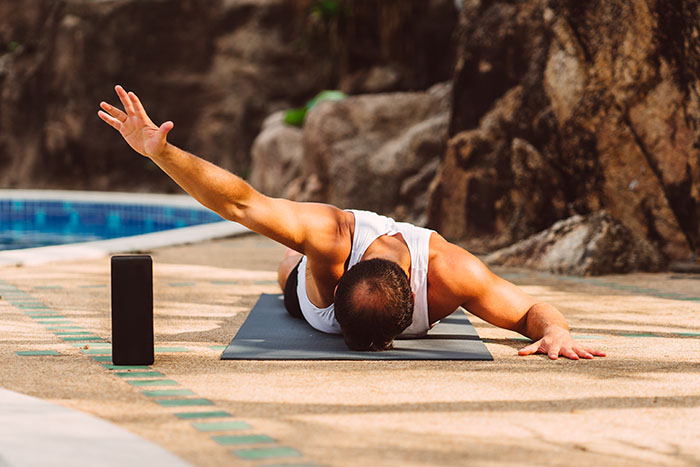
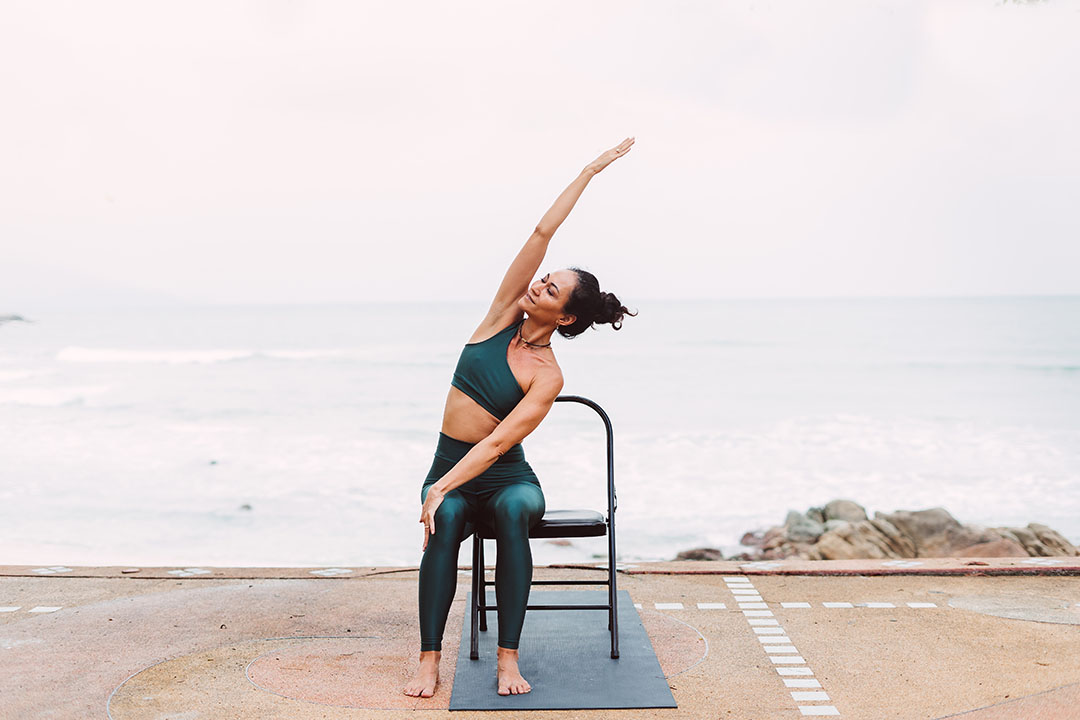
Afternoon session: 14:00–17:00
- Practical integration and guided practice
- Case-based mobility drills to optimize scapulohumeral rhythm
- Shoulder stability drills with guided PNF-inspired cues
- Rotator cuff strengthening progressions
- Breathing and autonomic connection (brief integration)
- How diaphragmatic/belly breathing supports shoulder control during activation
- Applied practice stations
- Station 1: Glenohumeral joint mechanics drills
- Station 2: Scapular motion cues and dyskinesis detection
- Station 3: Shoulder stability progression (static to dynamic)
- Station 4: Rotator cuff strengthening with simple, safe patterns
- Station 5: PNF shoulder patterns practice with partner feedback
Learning objectives
- Demonstrate clear understanding of glenohumeral joint mechanics and scapular kinematics
- Assess shoulder function safely with basic screen and MOT cues
- Apply fundamental rotator cuff strengthening strategies
- Implement basic PNF techniques to improve shoulder stability and function
- Integrate breathing cues to support shoulder control and autonomic balance