
Live Anatomy of Palpation Course
Live Anatomy of Palpation Course
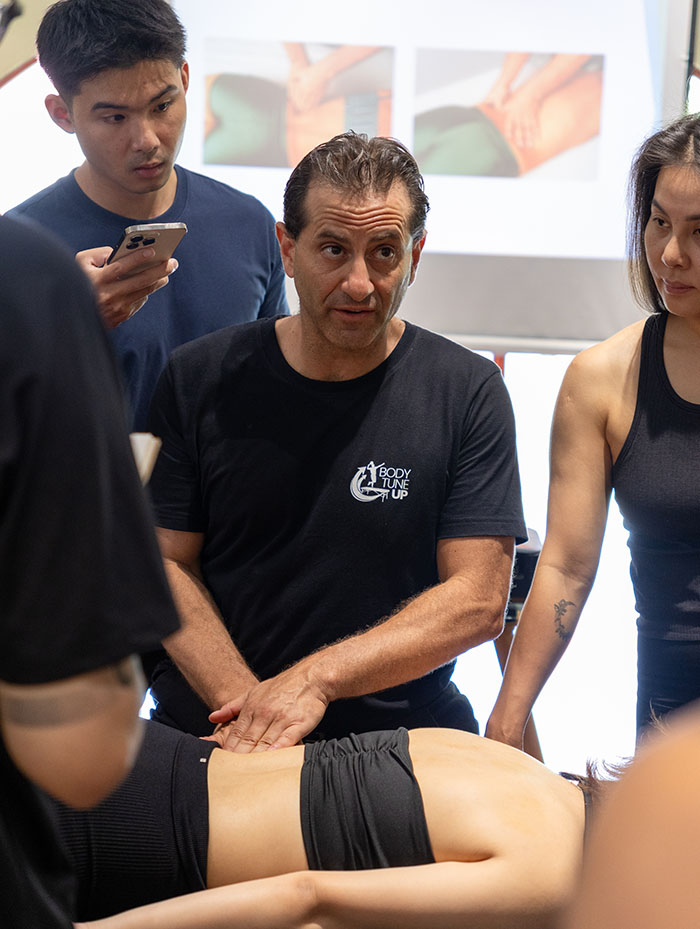
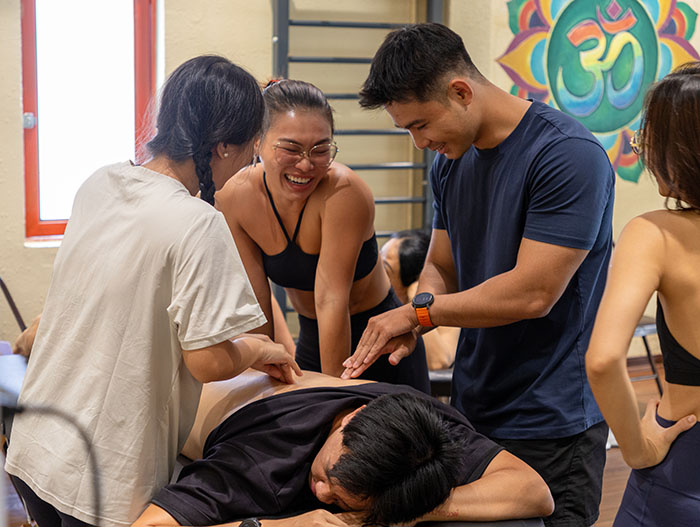
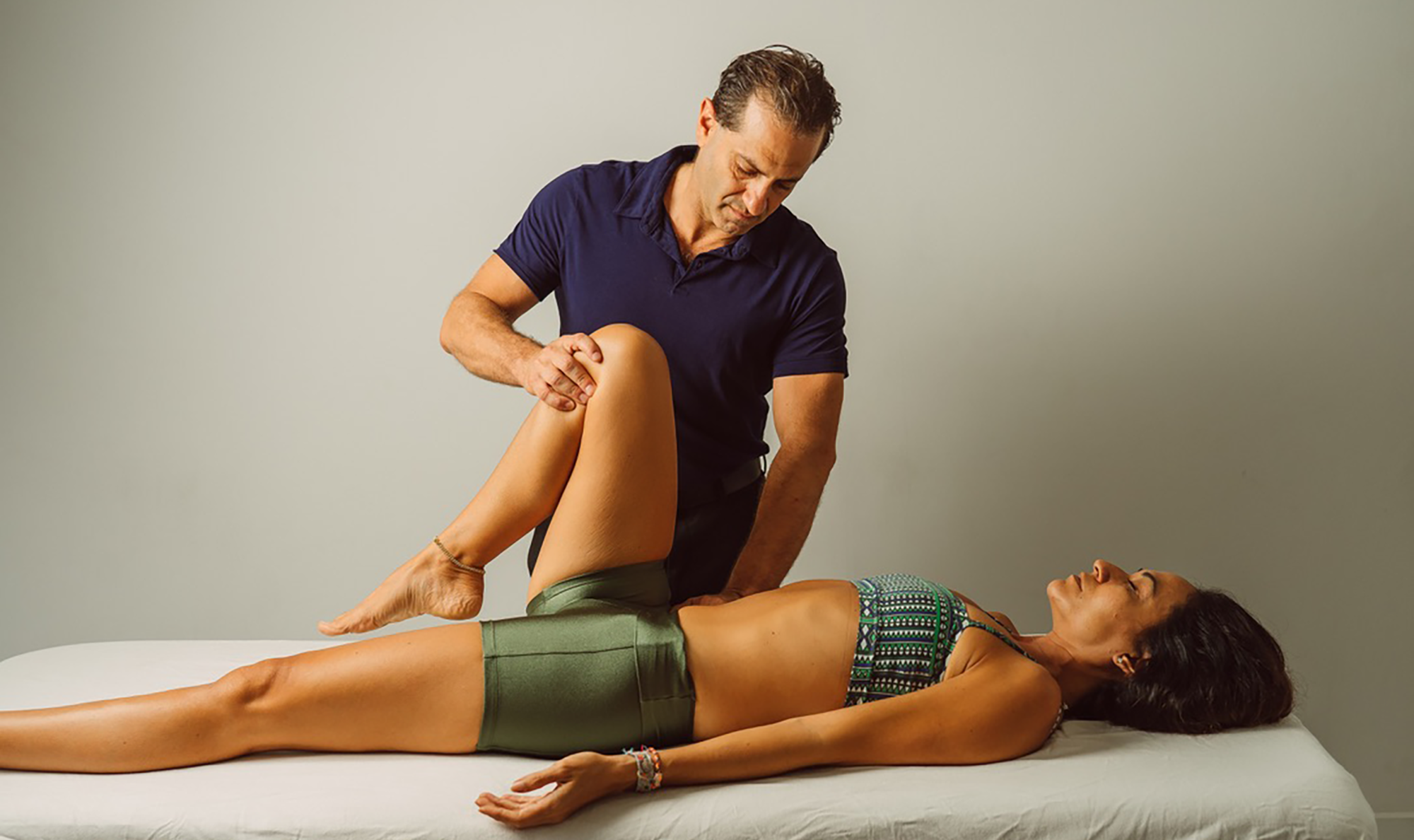
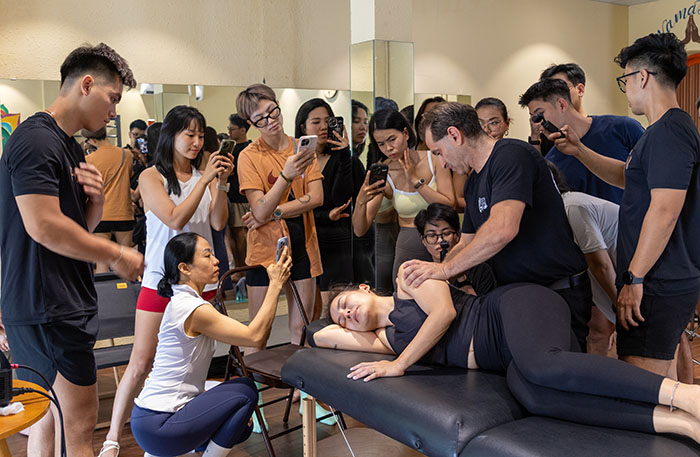
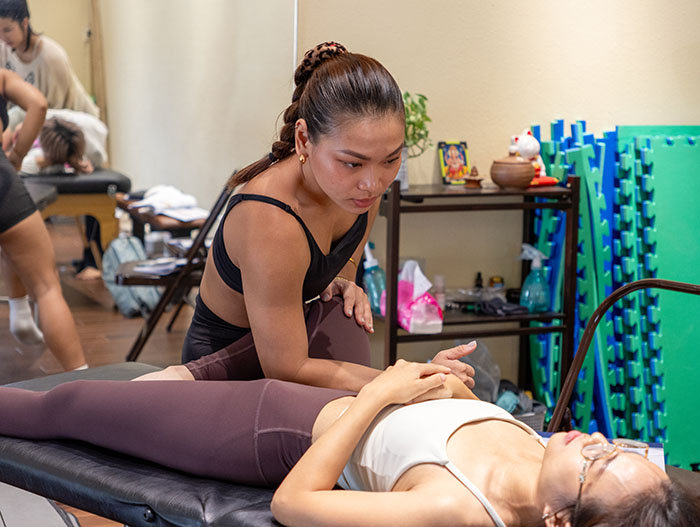
The Anatomy of Palpation Course is a hands-on weekend seminar focusing on practical soft-tissue release techniques. It empowers students with a deeper understanding of anatomy and palpation that is aimed at evaluating and releasing tight muscles throughout the entire body.
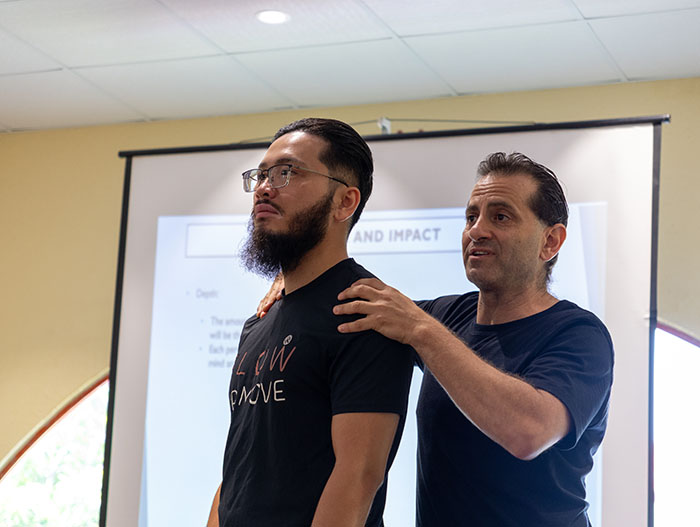
Through a combination of guided demonstrations, supervised practice, and evidence-informed approaches, participants will learn to assess tissue texture, depth, and patient response. They will then apply precise release techniques to improve mobility, reduce tension, and support overall function. The curriculum emphasizes safe, collaborative touch, professional communication, and the development of a confident, evidence-based palpation practice.
Students will receive comprehensive handouts featuring diagrams and pictures of all massage techniques covered in the course, including the psoas, iliacus, quadratus lumborum, erector spinae, latissimus dorsi, gluteal muscles, external hip rotators, and hamstrings, among others. These visual aids are designed to reinforce learning, serve as quick reference tools during practice sessions, and help students recall exact hand placements, directions of pressure, and recommended sequencing. Hands-on practice will be structured to progress from foundational to more advanced techniques, ensuring clear understanding and retention.
By the end of the course, participants will demonstrate the ability to identify target structures through palpation, select appropriate release methods for each muscle group, and apply pressure with sensitivity to individual client needs. Objectives include refining palpation sensitivity, mastering at least four basic hand positions, understanding the role of pressure in establishing trust, and integrating these techniques into a holistic approach to soft tissue care.
Schedule Overview
Saturday and Sunday, 9:00 am –5:30 pm
Day 1 (Saturday)
9:00–9:30: Opening lecture; Overview of the benefits of palpation, and the philosophy touch.
9:30–11:30: Muscles of the Back and Trunk Stabilizers:
- Psoas, Iliacus, Diaphragm, Quadratus Lumborum, Erector Spinae, Levator Scapulae, Trapezius, Rhomboids, Latissimus Dorsi.
11:30–1:00: Posterior Hip muscles:
- Gluteus Maximus/Medius/Minimus
- Deep External Rotators (Piriformis, Superior Gemellus, Obturator Internus, Inferior Gemellus, Quadratus Femoris, Obturator Externus)
- SI Joint and Sacrotuberous ligament
1:00–2:00: Lunch
2:00–4:00: Muscles of the Upper Leg
- Hamstrings:
-
- Biceps Femoris, Semitendinosus, Semimembranosus
-
- Quadriceps:
-
- Rectus Femoris, Vastus lateralis, medialis, intermedius
-
- Adductors:
-
- Pectineus, Adductor Brevis, Longus, Magnus and Gracilis
-
- Additional focus on treating the Meniscus
4:00-5:30: Muscles of the lower leg
- Popliteus, Gastrocnemius, Soleus, Tibialis Anterior/Posterior, Achilles Tendon, Plantar Fascia
Day 2 (Sunday)
9:00–9:30: Q & A
9:30–11:30: Muscles of the Neck
- Splenius Capitus/Cervicis, Suboccipitals (Rectus Capitus Posterior, Obliquus Capitus), Sternocleidomastoid (SCM), Scalenes, Longus Colli.
- Palpation lab supine, prone and side lying
11:30–1:00: The Rotator Cuff
- Supraspinatus, Infraspinatus, Teres Minor, Subscapularis
- Supine and side lying palpation and release techniques
1:00–2:00: Lunch
2:00–4:00: Muscles of the Shoulder
- Pectoralis Major/Minor, Deltoids, Subclavius, Biceps Brachii, Triceps
4:00-5:30: Muscles of the Forearm
- Flexor Carpi Radialis, Flexor Carpi Ulnaris, Flexor Digitorum
Palmaris Longus, Brachioradialis, Extensor Carpi Radialis, longus and brevis, Extensor digitorum, Extensor digit minimi, Extensor carpi ulnaris, Anconeus Pronator teres, Supinator